

Many contractors lose time and money because their cutting tools wear out too fast. I see this problem often in piling and foundation projects. The wrong carbide teeth choice can stop a whole jobsite.
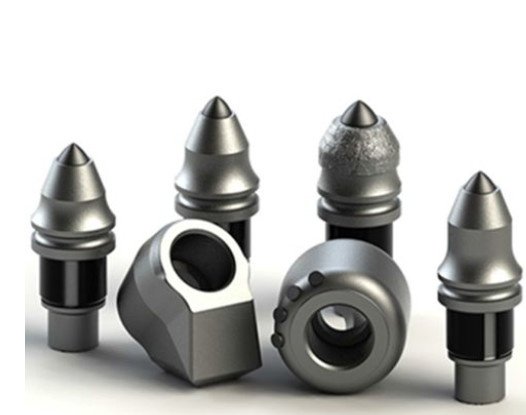
Replacement carbide teeth are wear-resistant cutting tips used on drilling, trenching, and piling tools. They improve cutting performance, reduce downtime, and extend tool life when they match the correct ground condition, holder type, and carbide grade.
I remember one customer from Australia who faced this issue during an urgent foundation project. Their imported tools worked well, but delivery took too long. That moment made them rethink how they choose replacement carbide teeth suppliers.
[Table of contents]
- What Are Replacement Carbide Teeth and How Do They Work?
- Why Do Contractors Replace Carbide Teeth Instead of the Whole Tool?
- How Do I Choose the Right Carbide Teeth for Different Ground Conditions?
- What Factors Affect the Quality of Carbide Teeth?
- How Can I Find a Reliable Carbide Teeth Supplier?
What Are Replacement Carbide Teeth and How Do They Work?
Many people new to piling or trenching equipment ask me this question first.
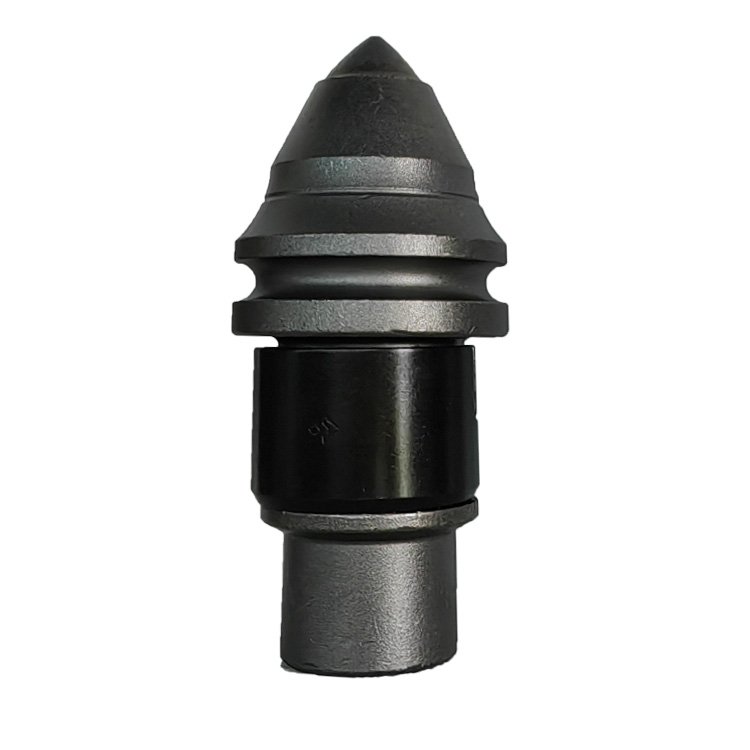
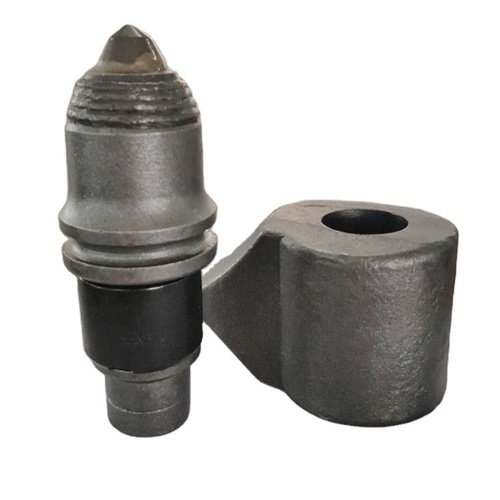
Replacement carbide teeth are small cutting components made with tungsten carbide tips. They attach to holders on drilling or cutting tools. Their main job is to break rock, soil, or concrete while protecting the base tool.
What Materials Are Used in Carbide Teeth?
Manufacturers usually combine alloy steel bodies with tungsten carbide tips. This design gives both strength and wear resistance.
| Component | Material | Function |
|---|---|---|
| Tooth Body | Alloy Steel | Absorbs impact and provides structure |
| Carbide Tip | Tungsten Carbide | Provides extreme hardness |
| Brazing Layer | Copper or Silver Alloy | Bonds carbide to steel body |
The carbide tip is the most critical part. It must resist abrasion and impact. If the carbide quality is poor, the tooth may crack or wear quickly.
How Do Carbide Teeth Work in Real Jobs?
I often explain it to customers like this. The carbide tip acts like a sharp hammer. It strikes the ground again and again. Hard materials break apart. The holder keeps the tooth fixed in position.
Why Carbide Instead of Normal Steel?
Carbide is much harder than steel. It can handle rocks and abrasive soil for longer periods.
| Property | Carbide | Steel |
|---|---|---|
| Hardness | Very High | Medium |
| Wear Resistance | Excellent | Low |
| Tool Life | Long | Short |
Because of this difference, carbide teeth can work many times longer than ordinary steel cutting parts.
Why Do Contractors Replace Carbide Teeth Instead of the Whole Tool?
Many buyers ask me why they should replace teeth instead of replacing the full cutting tool.
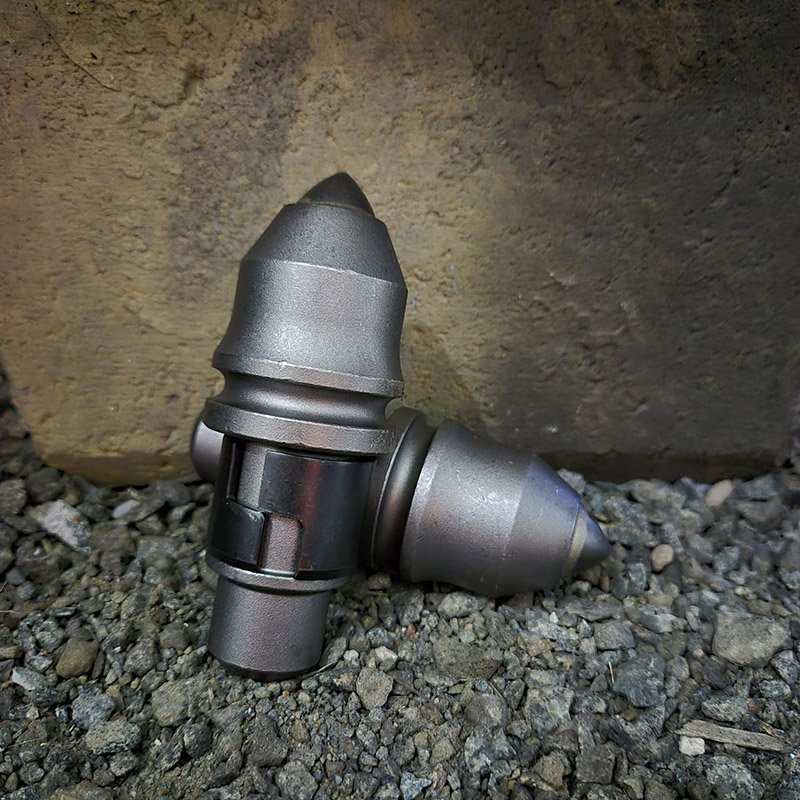
Contractors replace carbide teeth because they wear faster than the tool body. Changing only the teeth reduces cost, reduces downtime, and keeps expensive equipment in operation.
The Economics of Replaceable Teeth
Replacing the whole tool is expensive. Most tool bodies are still strong even after the cutting tips wear out.
| Item | Average Cost | Replacement Frequency |
|---|---|---|
| Full Cutting Tool | High | Rare |
| Carbide Teeth | Low | Frequent |
This replaceable design keeps operating costs under control.
Downtime Reduction
In construction work, time is money. A worn tooth can slow down drilling speed.
A crew can change teeth in minutes. Replacing an entire tool may stop the machine for hours.
Real Experience from My Customer
One buyer I worked with, Andri from Australia, once told me that his team used German tools imported to India. When the teeth wore out, they sometimes waited weeks for replacements.
For urgent projects, they started sourcing replacement carbide teeth locally or from alternative suppliers. That decision saved their project schedule.
How Do I Choose the Right Carbide Teeth for Different Ground Conditions?
Ground condition is the most important factor when selecting carbide teeth.
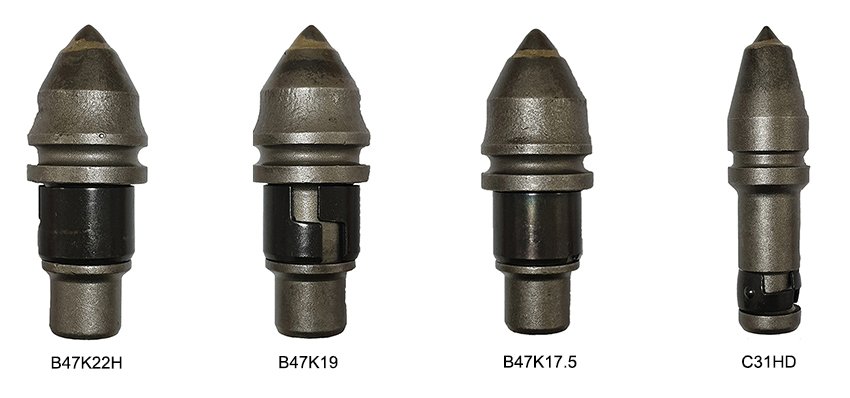
The correct carbide tooth depends on ground hardness, abrasion level, and machine type. Matching the tooth design with soil or rock conditions improves cutting efficiency and tool life.
Soft Soil and Clay
For soft ground, sharp and narrow teeth work better.
| Feature | Recommended Design |
|---|---|
| Tip Shape | Sharp cone |
| Carbide Size | Small |
| Penetration | Easy cutting |
These teeth focus on penetration rather than impact resistance.
Mixed Soil and Gravel
Mixed ground conditions require balanced designs.
| Feature | Recommended Design |
|---|---|
| Tip Shape | Conical or bullet |
| Carbide Size | Medium |
| Wear Resistance | Medium |
These teeth handle both cutting and abrasion.
Hard Rock Conditions
Rock drilling requires stronger teeth.
| Feature | Recommended Design |
|---|---|
| Tip Shape | Blunt or reinforced |
| Carbide Size | Large |
| Impact Resistance | High |
The carbide tip must be thick and durable.
What Factors Affect the Quality of Carbide Teeth?
Quality differences can be huge in this industry. I often explain these factors to buyers.
Carbide teeth quality depends on carbide grade, steel body strength, brazing technology, and heat treatment. Poor control in any of these steps can reduce tool life significantly.
Carbide Grade
Carbide contains tungsten and cobalt.
| Grade Factor | Impact |
|---|---|
| High Tungsten | Higher hardness |
| Higher Cobalt | Better impact resistance |
Manufacturers must balance hardness and toughness.
Steel Body Strength
The steel body must handle strong impacts during drilling.
If the steel is weak, the tooth can break even when the carbide tip is still intact.
Brazing Technology
Brazing connects the carbide tip to the steel body.
Poor brazing causes tip loss during drilling.
Heat Treatment
Heat treatment strengthens the steel structure.
Without proper heat treatment, the tooth may bend or crack.
How Can I Find a Reliable Carbide Teeth Supplier?
Choosing a supplier is not only about price.
A reliable carbide teeth supplier provides stable quality, technical support, and consistent delivery. Buyers should evaluate manufacturing capability, certifications, and industry experience before cooperation.
Manufacturing Capability
I always suggest checking the factory’s production ability.
| Factor | Why It Matters |
|---|---|
| CNC machining | Precision |
| Heat treatment | Strength |
| Quality inspection | Reliability |
Certifications
Large construction companies often require certifications.
Examples include ISO quality systems and material inspection reports.
Experience with Global Projects
Suppliers with export experience usually understand different project requirements.
My brand Aulone exports carbide teeth, wire rope, and piling tools to countries like Singapore, Indonesia, UAE, and Australia. Many buyers value stable quality and fast response.
Communication and Support
A supplier must respond quickly when problems appear. Technical advice can also help buyers choose the correct product.
Conclusion
Replacement carbide teeth improve tool life, reduce costs, and maintain drilling efficiency when buyers choose the correct design, material quality, and supplier.