

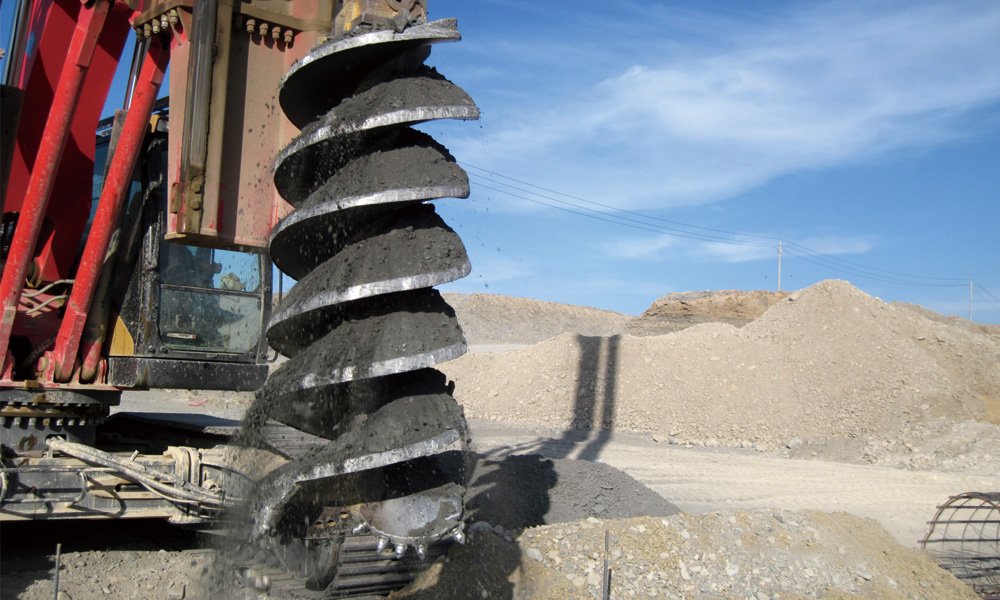
Many projects lose time at the drilling stage because the bucket auger method is not well understood. I have seen contractors struggle with soil removal, tool wear, and borehole collapse. These problems usually come from wrong tool selection and poor drilling control.
I define bucket auger drilling as a rotary excavation method that uses a cylindrical bucket to cut, collect, and lift soil during bored pile foundation works. I use it in many piling projects where soil is soft to medium and borehole stability is manageable.
I still remember a project in the UAE where the contractor underestimated sand density. The bucket kept overfilling and spilling soil. The drilling speed dropped a lot. That situation forced us to redesign the bucket teeth and improve cutting efficiency.
Table of Contents
- What is the bucket auger drilling method?
- Where is bucket auger drilling used in foundation engineering?
- How does bucket auger drilling work step by step?
- What equipment is required in bucket auger drilling?
- What are the advantages and limitations of this method?
- What common mistakes happen in real projects?
- How to choose the right bucket auger tools?
What Is the Bucket Auger Drilling Method in Piling Construction?
Bucket auger drilling is a common method in foundation engineering, but many buyers still misunderstand how it works in real soil conditions.
I explain it in a simple way. The bucket auger rotates inside the ground. It cuts soil at the bottom and collects it inside the bucket. Then the rig lifts the bucket to remove soil from the borehole.
This method is mainly used for bored pile construction in soil types like clay, silt, sand, and mixed ground conditions.
I often recommend this method when clients need stable drilling with medium speed and controlled borehole diameter.
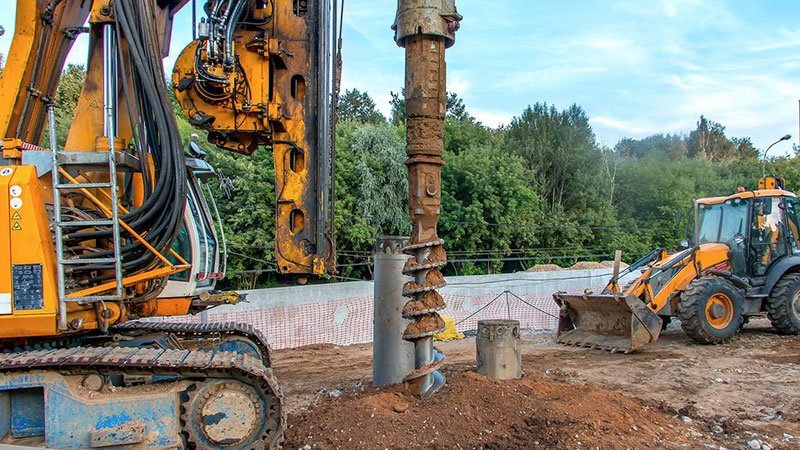
How soil cutting actually happens
Many people think the machine does all the work. I do not agree with that idea. The cutting teeth do most of the job.
The bucket rotates and applies downward force. The teeth break soil into pieces. The soil then enters the bucket body through centrifugal movement.
| Component | Function | Impact on performance |
|---|---|---|
| Cutting teeth | Break soil | Determines efficiency |
| Bucket shell | Collect soil | Affects capacity |
| Kelly bar | Transfer torque | Controls stability |
| Bottom door | Discharge soil | Affects cycle time |
In one project in Indonesia, I saw very soft teeth used in dense clay. The bucket slipped often and could not penetrate well. After upgrading to reinforced teeth from AAETT®, the penetration improved immediately.
I always tell clients that soil is the real boss. The tool must adapt to it.
Where Is Bucket Auger Drilling Used in Foundation Engineering?
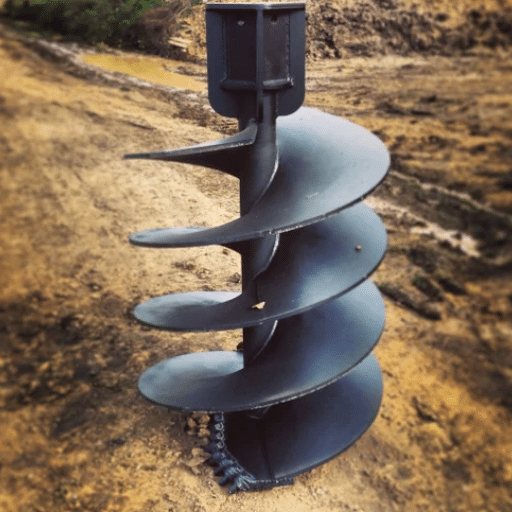
I never recommend bucket auger drilling without checking soil data first. Soil condition decides everything.
I usually apply this method in:
- High-rise building foundations
- Bridge piling works
- Port and dock construction
- Industrial plant foundations
- Urban infrastructure projects
It works best when soil is not too hard and no large boulders exist.
Real engineering scenarios
I worked on a commercial tower project in Saudi Arabia. The soil was layered sand and weak clay.
The contractor selected bucket auger drilling because:
- Noise restrictions existed
- Soil was relatively loose
- Depth was under control range
- Budget required efficiency
| Project Type | Soil Condition | Result |
|---|---|---|
| High-rise building | Sand + clay | Stable performance |
| Bridge foundation | Mixed soil | Good efficiency |
| Port piles | Soft marine clay | High productivity |
But I also saw failures in gravel layers. The bucket could not maintain cutting stability. In that case, I recommend switching to core barrel or rock auger systems.
I always say method selection must follow geology, not habit.
How Does Bucket Auger Drilling Work Step by Step?
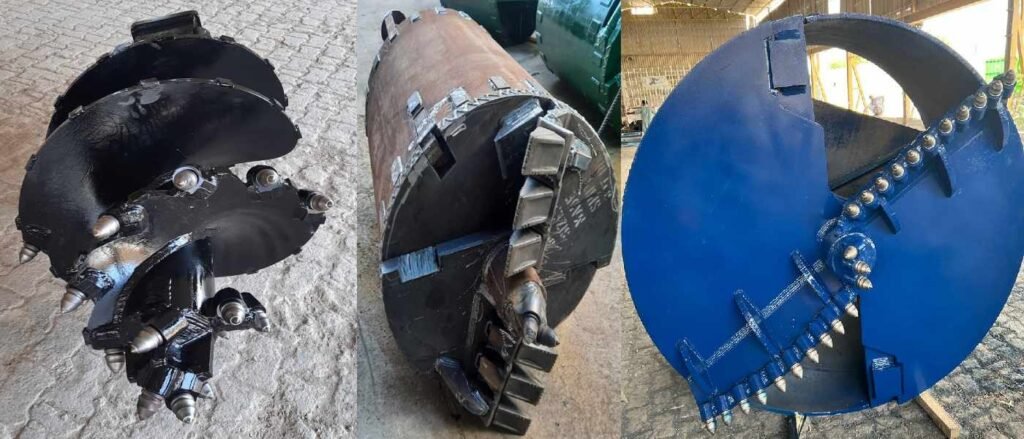
Many buyers ask me how the drilling cycle works. I explain it in a simple sequence.
The bucket auger drilling process includes:
- Rig positioning
- Vertical alignment
- Drilling start
- Soil cutting
- Bucket filling
- Lifting process
- Soil discharge
- Repeating cycle
Each cycle removes one soil layer from the borehole.
Dive Deeper: Operational control matters
Many drilling problems come from poor control, not equipment failure.
| Step | Risk | Control method |
|---|---|---|
| Alignment | Borehole deviation | Use guide frame |
| Cutting | Tooth wear | Inspect regularly |
| Lifting | Soil loss | Slow lifting speed |
| Discharge | Blockage | Clean bucket often |
I once visited a site in Vietnam where borehole deviation exceeded design tolerance. The operator drilled too fast without checking vertical alignment.
After correcting drilling speed and improving Kelly bar guidance, the accuracy improved significantly.
I always remind engineers that drilling is a controlled process, not just power application.
What Equipment Is Required in Bucket Auger Drilling?
Bucket auger drilling depends on a full system. Many buyers only focus on the bucket, but that is not enough.
The system includes:
- Rotary drilling rig
- Kelly bar system
- Bucket auger tool
- Cutting teeth set
- Cleaning tools
- Wear parts and adaptors
At AAETT®, we mainly supply drilling buckets, teeth, cutting edges, and related foundation tools.
System compatibility issues
I often see mismatch between equipment parts.
| Equipment | Common issue | Result |
|---|---|---|
| Rig torque | Too low | Slow penetration |
| Bucket size | Too large | Soil overflow |
| Teeth hardness | Too soft | Fast wear |
| Adapter fit | Loose connection | Vibration |
In one UAE project, a client used a large bucket on a medium torque rig. The drilling efficiency dropped by almost 35%.
After adjusting bucket diameter and upgrading cutting edge hardness, productivity improved.
I always say system balance is more important than individual strength.
What Are the Advantages and Limitations of This Method?
I never present bucket auger drilling as a perfect solution. Every method has limits.
Advantages
- High soil removal efficiency
- Suitable for urban construction
- Low vibration impact
- Simple operation process
- Good for medium-depth piles
Limitations
- Not suitable for hard rock layers
- Tool wear in abrasive soil
- Risk of borehole collapse in loose sand
- Limited performance in gravel soil
Real failure cases
I saw several real cases where bucket auger drilling failed.
| Condition | Problem | Result |
|---|---|---|
| Gravel layer | Blocked bucket | Stop drilling |
| Hard clay | High torque demand | Rig overload |
| Loose sand | Wall collapse | Rework required |
In Canada, one contractor faced frozen soil conditions. The bucket could not cut effectively. They switched to rock auger systems and solved the problem.
I always tell clients that wrong method selection costs more than equipment price.
What Common Mistakes Happen in Real Projects?
I often see repeated mistakes in field operations.
The most common ones are:
- Wrong bucket type selection
- Ignoring soil reports
- Poor cutting teeth maintenance
- Over-speed drilling
- Wrong rig-bucket matching
Practical field lessons
I want to share real field experience.
| Mistake | Cause | Impact |
|---|---|---|
| Tooth wear ignored | No inspection | Slow drilling |
| Wrong bucket size | Poor planning | Soil loss |
| Fast drilling speed | Operator habit | Borehole instability |
I worked with a contractor in Australia who replaced buckets too late. The worn teeth reduced cutting efficiency by more than 50%.
After switching to scheduled maintenance, performance became stable again.
I always remind teams that maintenance is part of productivity.
How to Choose the Right Bucket Auger Tools?
This is the question I receive most often from buyers like Mohammad in UAE. He focuses on cost, quality, and certification. I understand this because large projects cannot afford delays.
I usually guide selection like this:
- Analyze soil report first
- Confirm drilling depth
- Choose bucket diameter
- Select cutting teeth type
- Match rig torque capacity
My AAETT® selection logic
At AAETT®, I use a simple but strict logic.
| Soil type | Recommended tool |
|---|---|
| Soft clay | Standard bucket |
| Sand soil | Anti-wear bucket |
| Mixed soil | Reinforced teeth bucket |
| Deep piles | Heavy-duty bucket |
I also adjust materials for export regions. In UAE and Saudi Arabia, high temperature increases wear speed. So I often recommend heat-treated cutting edges.
I helped a distributor in Indonesia reduce tool replacement cost by improving steel grade selection.
I always say correct selection is the real cost saver.
Conclusion
Bucket auger drilling works well when soil, tools, and equipment are correctly matched. I always focus on system balance, not single components. Proper selection improves speed, safety, and cost efficiency in foundation projects.