


I work with piling contractors and buyers every week. Many piling projects face the same problems. Fast wear. Low drilling speed. High replacement cost. In many cases, the real issue is simple. The bullet teeth or holders are not suitable for the job.
Some buyers focus only on price. Some follow old habits. But after several difficult projects, most teams start to rethink their choices. That is why bullet teeth and holders deserve serious attention.
What Exactly Are Bullet Teeth and Holders Used for in Piling Work?
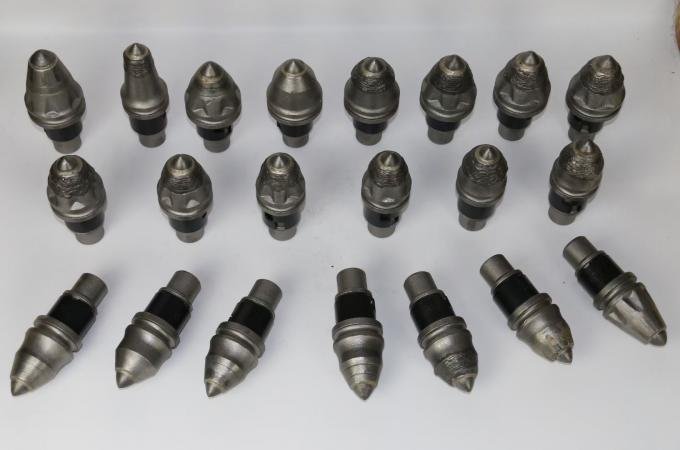
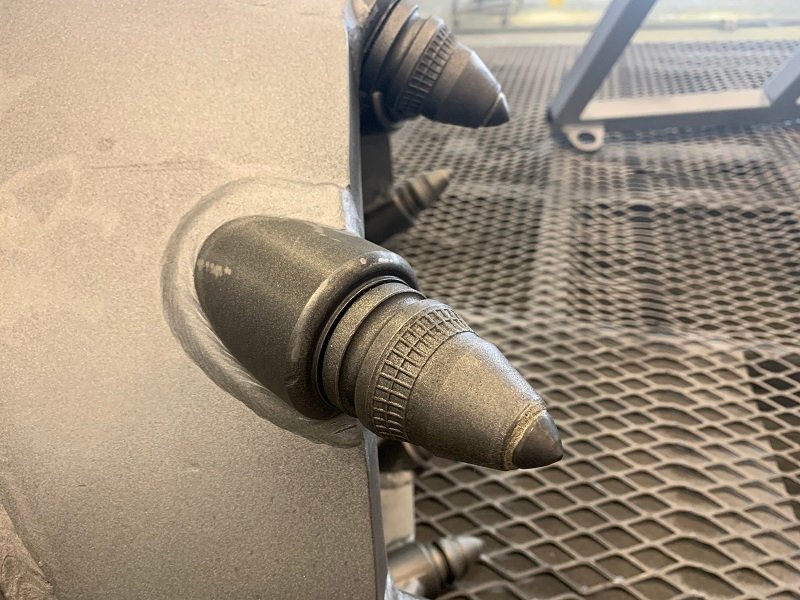
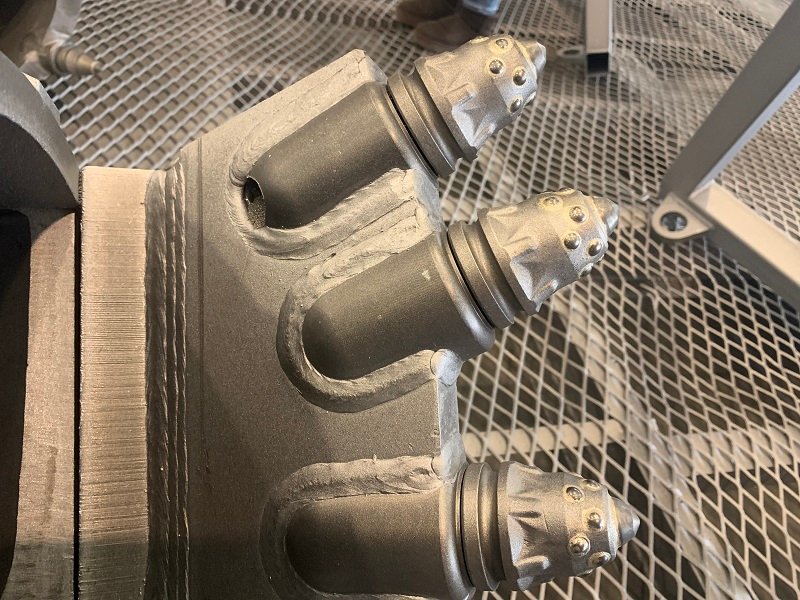
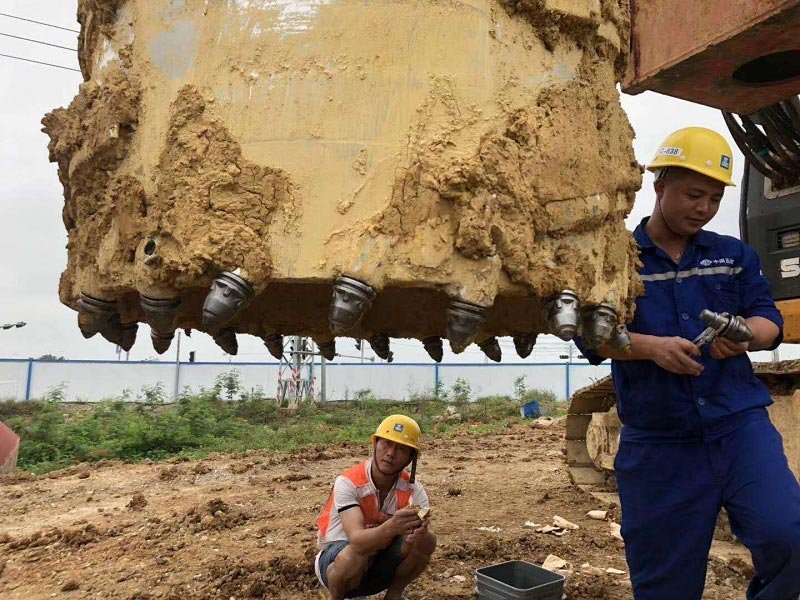
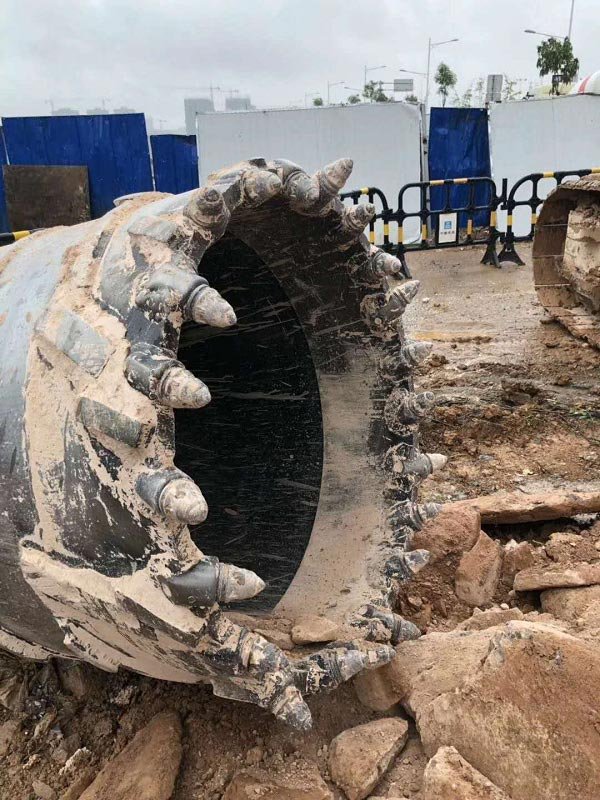
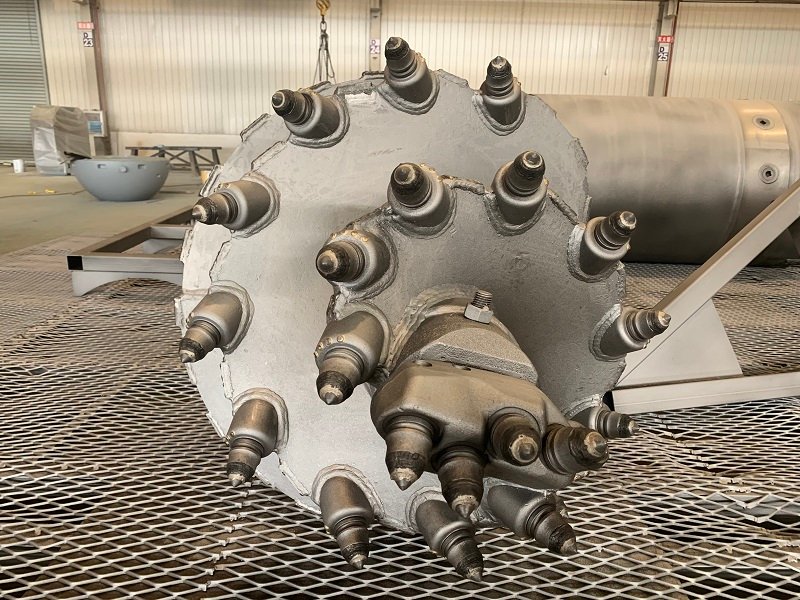
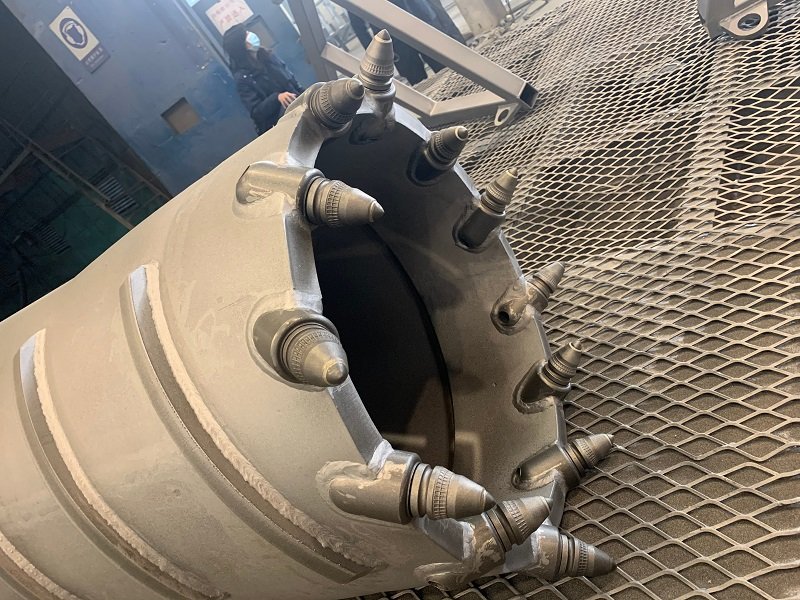
Bullet teeth are cutting tools installed on piling buckets, augers, and drilling tools. Holders fix the teeth in position. Together, they transfer torque from the piling rig into the ground. They also protect the main structure of the piling tool.
From my experience, many buyers treat bullet teeth as simple consumables. But in real work, these parts control how force enters the soil. Once this process becomes unstable, efficiency drops very fast.
How Bullet Teeth and Holders Work on Site
During drilling, the carbide tip of the bullet tooth breaks soil and rock. The steel body absorbs impact. Rotation allows the tooth to wear evenly.
If rotation stops, wear becomes uneven. The tooth fails early.
Holders play a supporting role, but their impact is large.
Main functions of holders
| Function | What it affects |
|---|---|
| Tooth alignment | Cutting stability |
| Load transfer | Stress on bucket |
| Wear isolation | Tool life |
| Replacement ease | Downtime |
I often remind buyers of one thing. A low-quality holder can damage an expensive piling bucket.
How Do Different Ground Conditions Affect Bullet Teeth Selection?
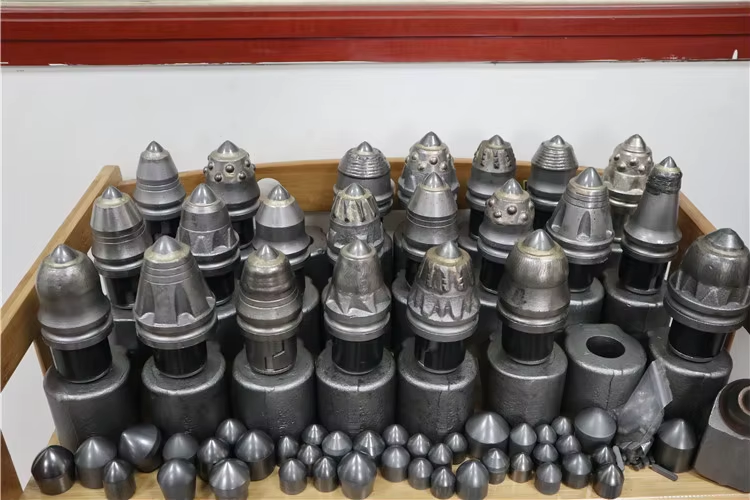
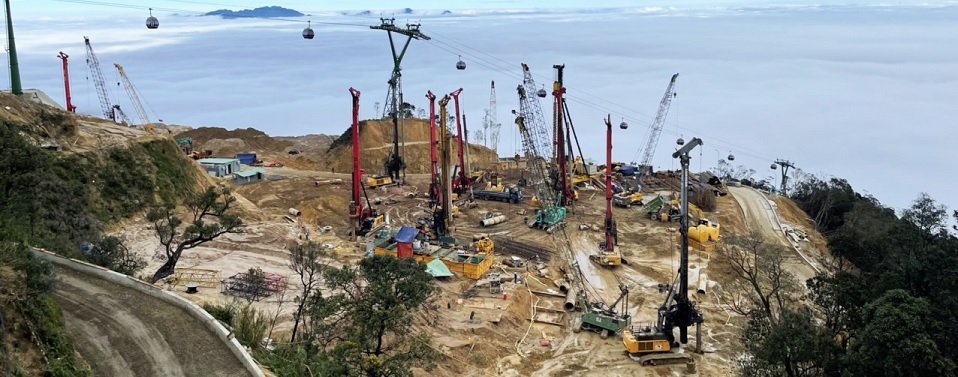
Every piling project faces different ground conditions. Clay, sand, gravel, and mixed layers behave very differently during drilling. Using one bullet teeth model for all jobs usually creates problems.
Before recommending any model, I always ask one question. What is under the ground?
Matching Bullet Teeth to Soil Conditions
Different soils need different cutting behavior. Shape, size, and structure all matter.
Common ground types and cutting requirements
| Ground type | Key requirement |
|---|---|
| Clay | Fast penetration |
| Sand | Wear resistance |
| Mixed soil | Balanced performance |
| Gravel | Impact resistance |
Wrong selection increases cost in many ways.
- Faster wear
- More shutdowns
- Higher labor cost
- Damage to holders and buckets
What Bullet Teeth Models Are Commonly Used in the Market?
In the current piling tools market, there are only two widely accepted bullet teeth models. Most suppliers, including myself, work mainly with these two types. Their differences are clear in real use.
Understanding the Two Main Bullet Teeth Models
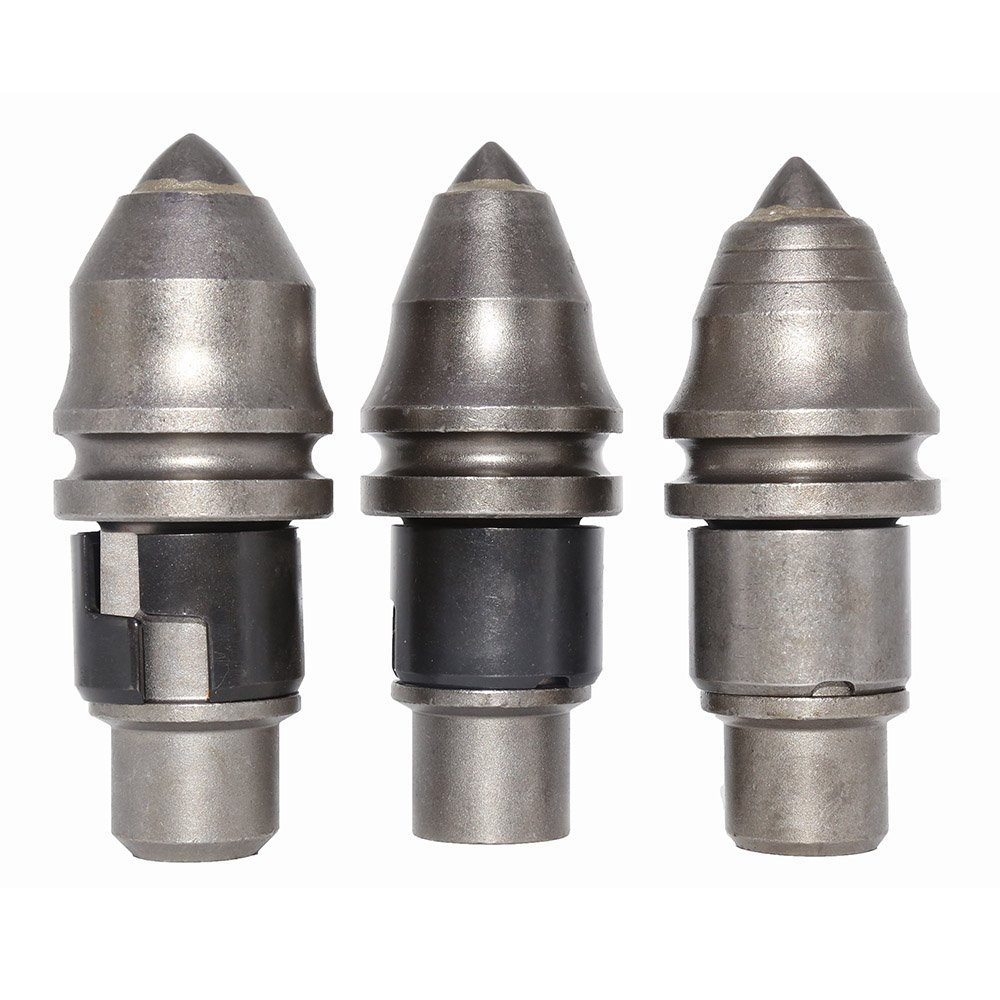
B47K Bullet Teeth – Standard and Balanced Model
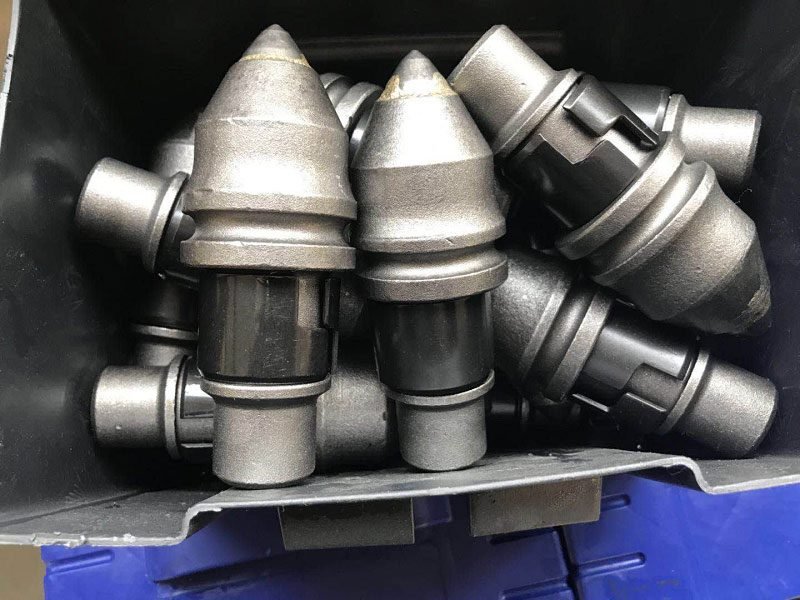
B47K is the most common bullet teeth model used in piling projects.
Main characteristics of B47K
- Medium carbide size
- Strong steel body
- Stable rotation
- Balanced penetration and wear life
Typical applications
| Ground condition | Performance |
|---|---|
| Clay | Good |
| Sand | Good |
| Mixed soil | Good |
| Gravel | Medium |
I usually recommend B47 when ground conditions change with depth. It performs steadily and reduces unexpected failure.
Common misunderstandings about B47K
- Expecting very fast penetration
- Using it in very hard rock
- Ignoring holder wear
B47K focuses on balance, not extreme speed.
C31 Bullet Teeth – Compact and Controlled Model
C31 is a smaller bullet teeth model. It is often used on lighter piling tools or lower torque rigs.
Main characteristics of C31
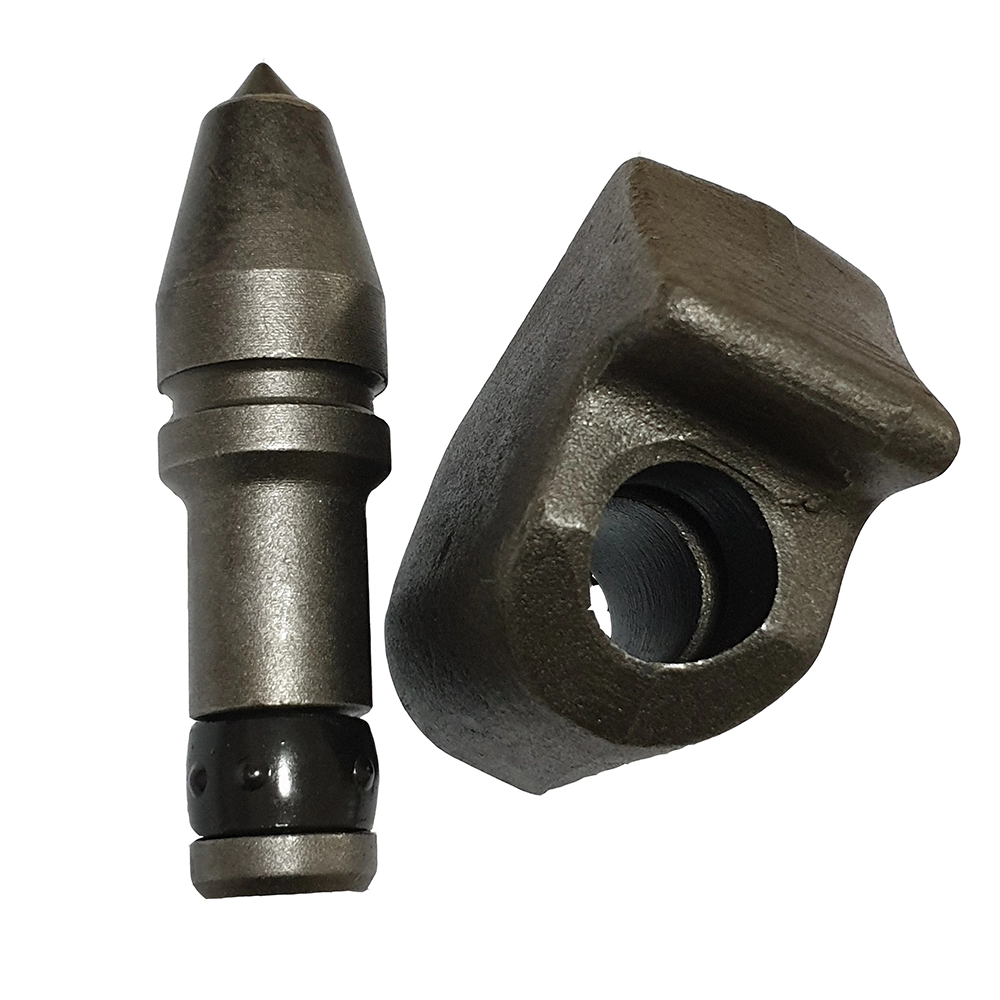
- Compact size
- Lower torque demand
- Smooth rotation
- Easier replacement
Typical applications
| Ground condition | Performance |
|---|---|
| Clay | Good |
| Sand | Good |
| Mixed soil | Medium |
| Gravel | Limited |
I often see C31 used in light foundation work or projects with frequent replacement cycles.
Risks of incorrect use
- Fast wear under heavy load
- Carbide breakage on high-impact layers
- Short service life on large rigs
C31 works best when machine power is limited.
B47 vs C31 – Quick Comparison
To help buyers decide faster, I often explain the difference like this.
| Item | B47 | C31 |
|---|---|---|
| Size | Larger | Smaller |
| Impact resistance | Higher | Lower |
| Torque requirement | Medium to high | Low |
| Typical use | General piling | Light piling |
This comparison avoids trial-and-error on site.
Why Are Holders Just as Important as Bullet Teeth?
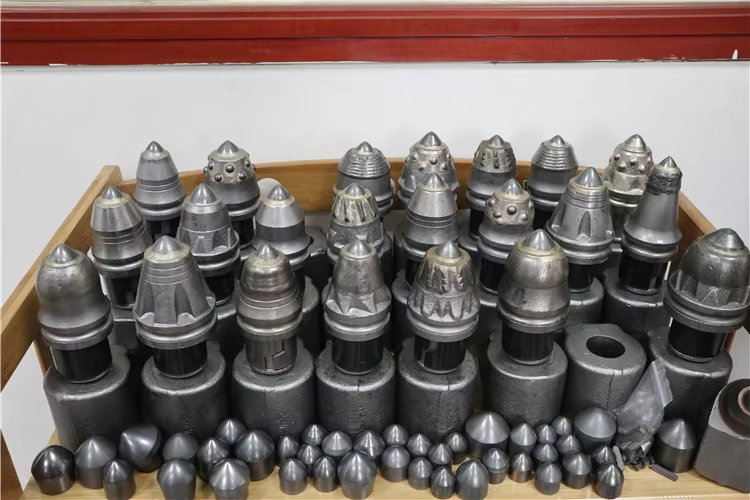
Many buyers replace bullet teeth often but ignore holders. This creates hidden risks.
Common Holder Problems on Site
From site feedback, holder-related failures are very common.
Typical holder issues
- Oval wear holes
- Cracks near welds
- Loose locking systems
- Poor tooth fit
Each problem reduces stability and shortens tooth life.
Cost impact of worn holders
| Issue | Result |
|---|---|
| Loose tooth | Tooth loss |
| Poor weld | Bucket damage |
| Wrong angle | Low drilling speed |
Replacing holders on time is much cheaper than repairing piling tools.
How Do Bullet Teeth and Holders Affect Total Project Cost?
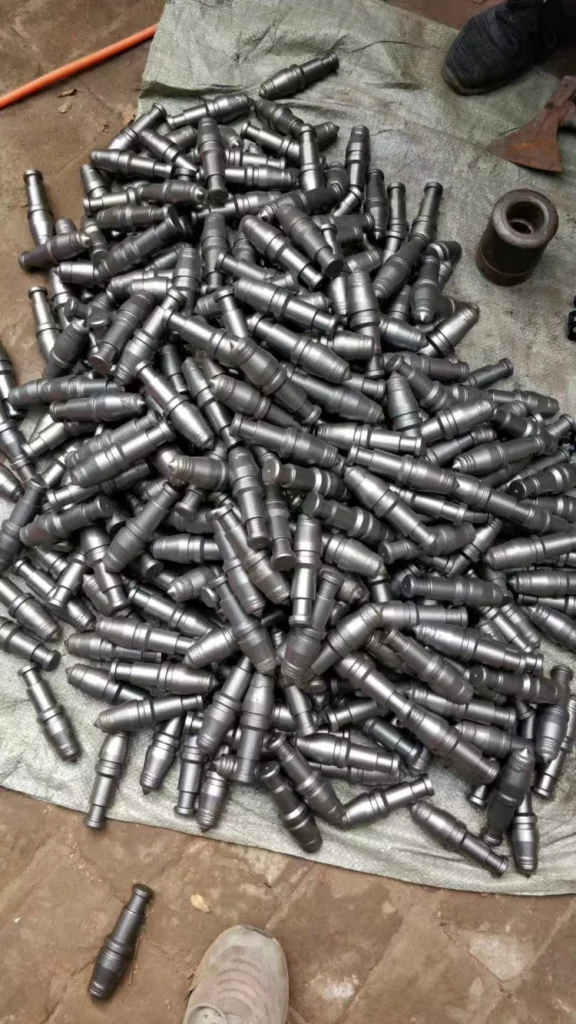
Many buyers ask for the lowest unit price. I always guide them to look at total project cost instead.
Cost Per Meter Drilled
Cost does not stop at purchase price.
| Factor | Impact |
|---|---|
| Tooth life | Replacement frequency |
| Drilling speed | Machine hours |
| Downtime | Labor cost |
| Tool damage | Repair expense |
In most cases, a stable model like B47 reduces total cost more effectively.
How Do I Help Buyers Choose Between B47K and C31?
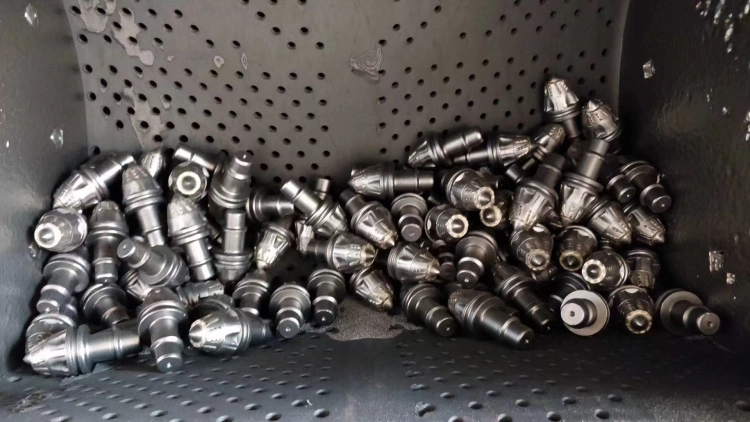
Every buyer situation is different. I avoid one-size-fits-all advice.
My Practical Selection Logic
I follow a simple process.
- Review soil conditions
- Confirm piling rig torque
- Check holder system size
- Understand project duration
- Match B47K or C31 accordingly
This approach reduces risk and avoids unnecessary replacement on site.
Conclusion
In the piling tools market, B47 and C31 are the two main bullet teeth models. Choosing the right one, together with proper holders, protects equipment, controls cost, and keeps piling projects running smoothly.