

Trenching in hard ground often slows projects. Tools wear quickly. Costs rise. I once faced this problem on a demanding jobsite. The right rock teeth changed everything.
Rock teeth for trenchers improve digging performance by increasing penetration in hard soil and rock. They reduce wear on equipment, maintain cutting efficiency, and lower downtime, which helps contractors complete trenching work faster and more consistently.
I learned this lesson during a project where standard teeth failed after only a few hours. After switching to stronger rock teeth, the machine ran smoother and the trenching speed improved.
What Are Rock Teeth for Trenchers and How Do They Work?
Trenching machines rely on strong cutting tools. Rock teeth play a central role in breaking hard soil and rock layers.
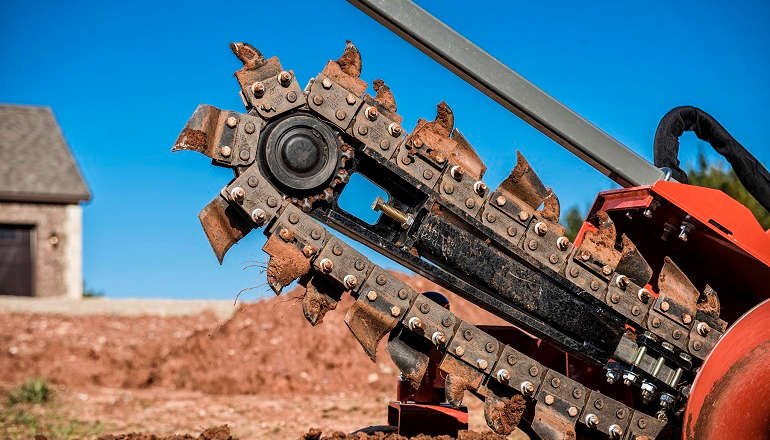
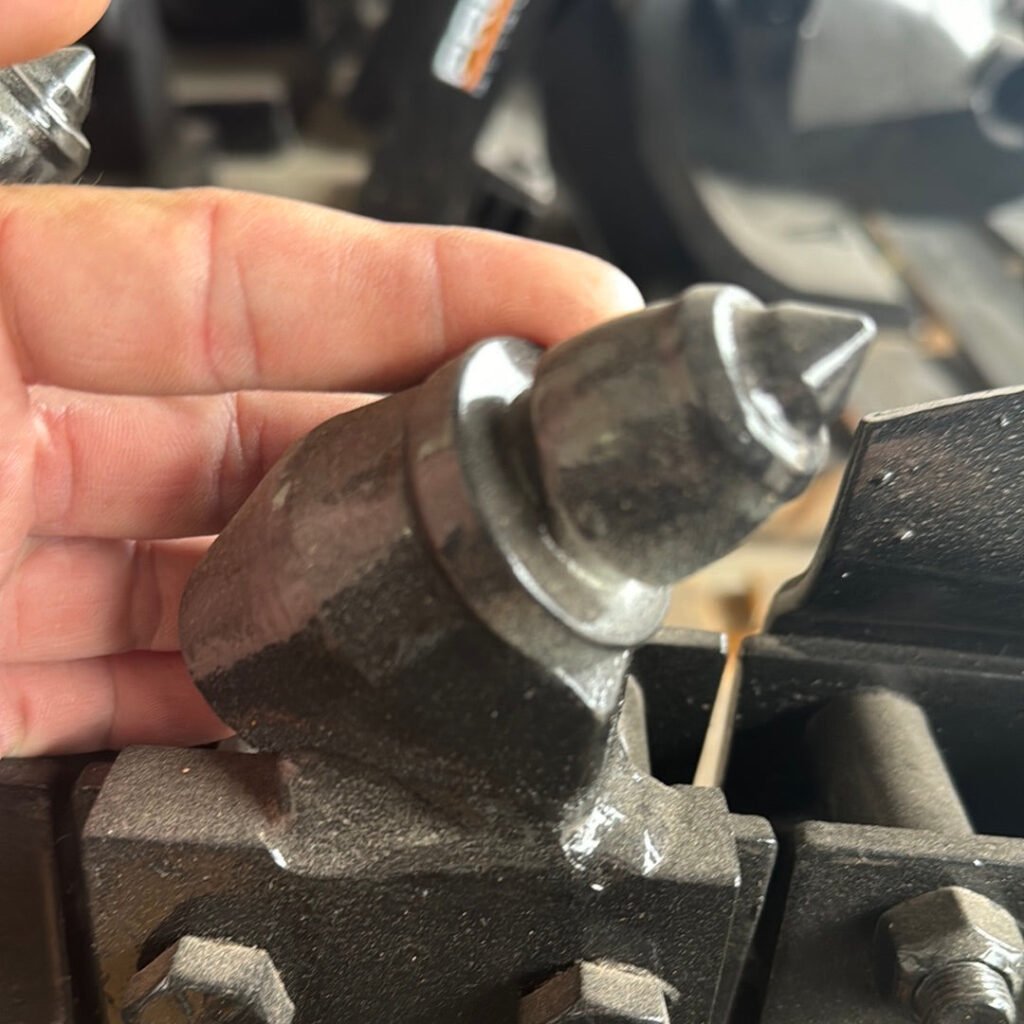
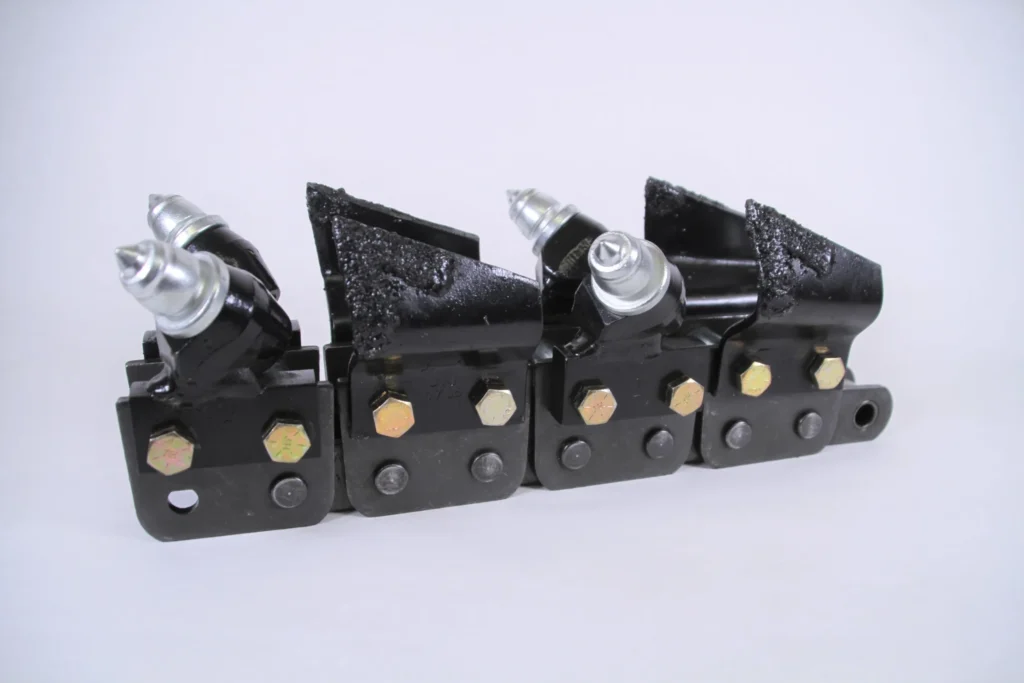
Rock teeth for trenchers are hardened cutting tools installed on the trencher chain. They penetrate soil and rock, fracture hard surfaces, and remove material efficiently while protecting the machine from excessive wear.
What Makes Rock Teeth Different from Standard Teeth?
Standard teeth work well in soft soil. But rocky ground needs stronger materials.
Rock teeth usually include:
| Feature | Purpose |
|---|---|
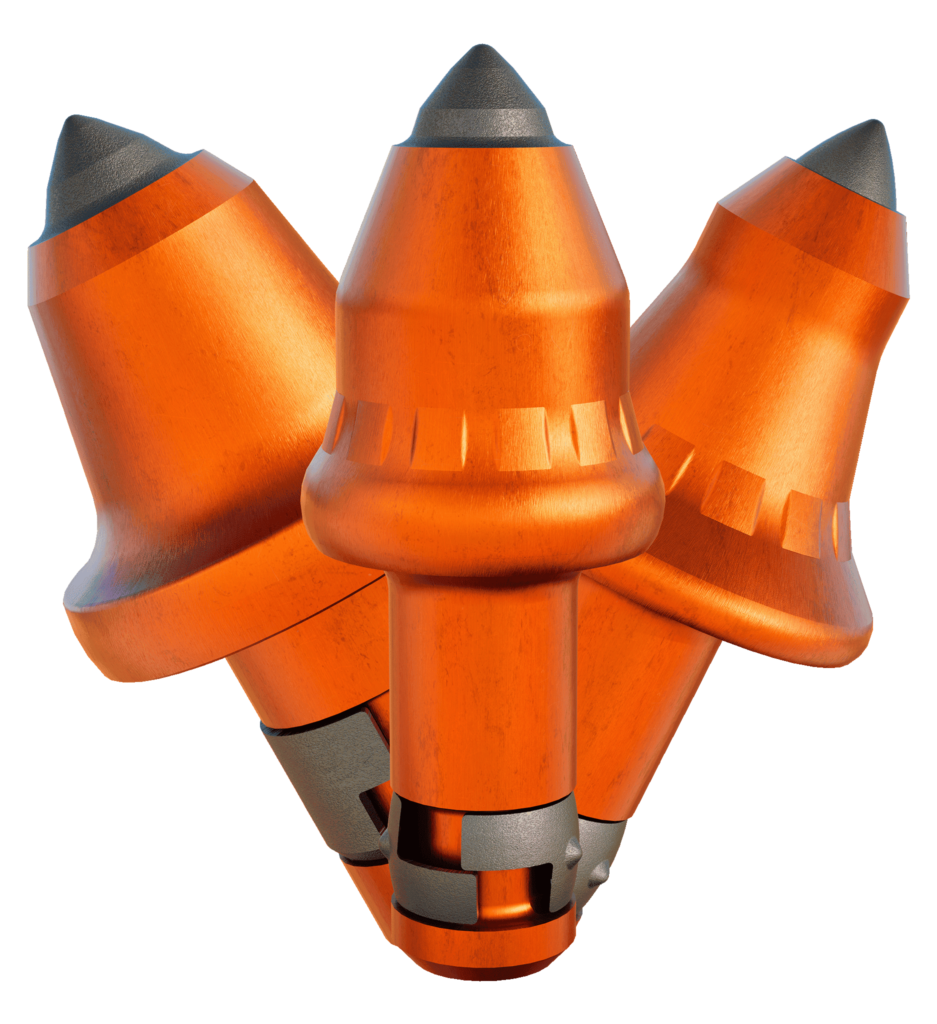
| Tungsten carbide tip | Increases wear resistance |
| Hardened steel body | Prevents breakage |
| Optimized tooth shape | Improves cutting penetration |
The carbide tip handles extreme abrasion. The steel body absorbs impact from rocks.
How the Tooth Shape Affects Cutting Performance
I noticed that tooth geometry matters a lot. A sharp and aggressive angle allows the tooth to bite into rock quickly.
Different shapes suit different conditions:
| Tooth Shape | Best Application |
|---|---|
| Conical teeth | Hard rock |
| Chisel teeth | Mixed soil |
| Wide teeth | Soft soil |
Choosing the correct shape helps maintain stable cutting speed.
Why Proper Installation Matters
Even high-quality teeth fail if installed poorly.
I always check three things:
- Proper locking system
- Tight mounting
- Correct tooth spacing
Small mistakes can cause vibration or uneven wear.
Why Are High-Quality Rock Teeth Important for Trenching Projects?
Many contractors focus only on the trencher machine. But the cutting tools often determine productivity.
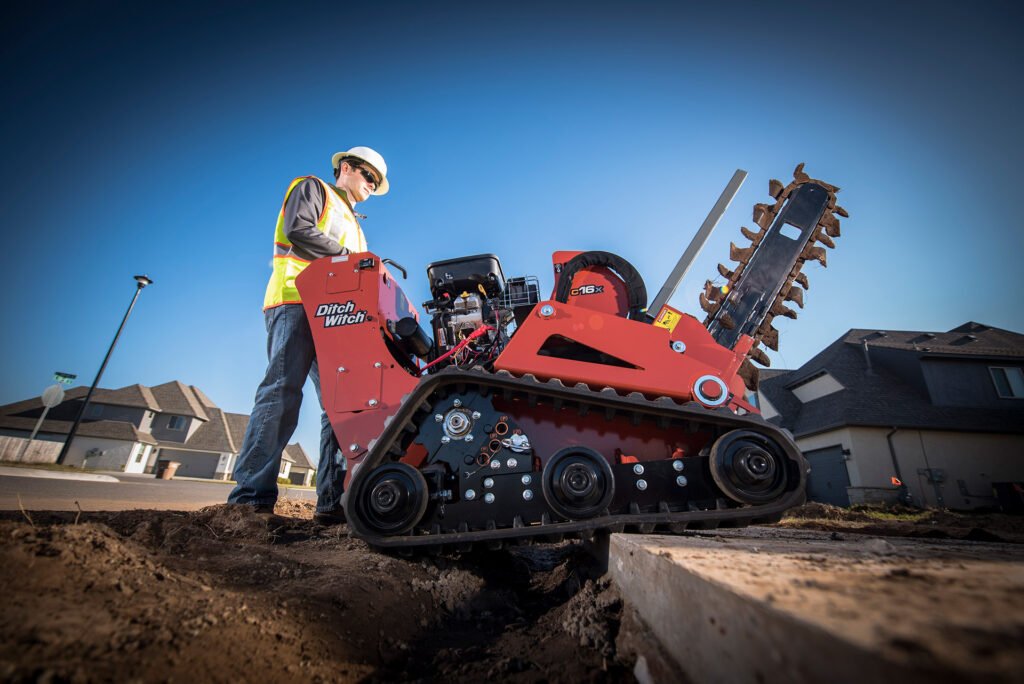
High-quality rock teeth reduce wear, improve cutting efficiency, and prevent unexpected downtime, which lowers operational costs and increases overall trenching productivity.
Impact on Productivity
Low-quality teeth dull quickly. When teeth lose sharpness, the trencher chain slows down.
I have seen projects where poor teeth reduced production by 30%.
High-quality teeth maintain cutting ability longer. This means fewer stops for replacement.
Impact on Equipment Life
Worn teeth increase stress on the trencher.
Extra resistance can damage:
- chain systems
- drive motors
- sprockets
Quality teeth protect these expensive components.
Cost Comparison
Many buyers focus only on unit price. I always explain the real cost.
| Factor | Low Quality Teeth | High Quality Teeth |
|---|---|---|
| Purchase price | Lower | Higher |
| Wear rate | Fast | Slow |
| Replacement frequency | High | Low |
| Overall cost | Higher long-term | Lower long-term |
This is why many professional contractors choose premium teeth.
How Do I Choose the Right Rock Teeth for My Trencher?
Choosing the right teeth can feel confusing. There are many materials and designs available.
The best rock teeth depend on ground condition, trencher model, tooth material, and the locking system. Matching these factors ensures durability and stable trenching performance.
Step 1: Understand Ground Conditions
Different soil conditions require different tools.
| Ground Type | Recommended Tooth Type |
|---|---|
| Soft soil | Wide teeth |
| Mixed soil | Chisel teeth |
| Hard rock | Carbide conical teeth |
If the ground contains granite or basalt, carbide teeth are essential.
Step 2: Check Trencher Compatibility
Each trencher chain has specific mounting designs.
Important factors include:
- tooth holder size
- mounting angle
- locking pin design
I always confirm the exact specification before production.
Step 3: Focus on Material Quality
Not all carbide tips are equal.
Key quality indicators:
| Material Feature | Importance |
|---|---|
| Carbide purity | Improves wear resistance |
| Heat treatment | Strengthens steel body |
| Brazing quality | Prevents tip loss |
Poor brazing often causes carbide tips to fall off.
Step 4: Evaluate Supplier Reliability
Reliable suppliers provide:
- stable production quality
- technical drawings
- certification if required
In my business at Aulone, I focus on consistent material quality because many contractors like my Australian customer Andri require strict quality control.
How Can Rock Teeth Reduce Maintenance Costs?
Maintenance costs often exceed tool costs over time.
Rock teeth reduce maintenance costs by maintaining cutting efficiency, minimizing machine stress, and extending replacement intervals, which lowers labor costs and reduces unexpected equipment downtime.
Reduced Replacement Frequency
High wear resistance means longer working hours.
For example:
| Tooth Type | Average Working Hours |
|---|---|
| Standard steel teeth | 20–40 hours |
| Carbide rock teeth | 80–150 hours |
Longer life means fewer shutdowns.
Lower Labor Costs
Every tooth replacement requires labor.
Frequent changes increase:
- labor cost
- machine downtime
- project delay risk
Durable teeth reduce these interruptions.
Better Project Planning
Reliable tools help contractors plan work schedules better.
Unexpected tool failure can delay entire pipeline or foundation projects.
This is why many trenching companies invest in better cutting tools.
Where Are Rock Teeth for Trenchers Commonly Used?
Rock trenching is common in infrastructure projects.
Rock teeth for trenchers are widely used in construction, mining, pipeline installation, and foundation engineering where hard soil and rock require powerful cutting tools.
Pipeline Installation
Oil, gas, and water pipelines require long trenches.
Rock teeth allow trenchers to cut through rocky terrain without blasting.
Fiber Optic Cable Projects
Telecommunication networks require narrow trenches.
Trenchers with rock teeth provide precise cutting and faster installation.
Mining and Quarry Operations
Mining sites often contain extremely abrasive rock.
Heavy-duty teeth ensure stable cutting performance.
Foundation Engineering
Piling and deep foundation companies also use trenchers in preparation work.
Many of my customers in Southeast Asia use these tools before pile installation.
Conclusion
Rock teeth for trenchers increase efficiency, reduce wear, and lower costs. Choosing the right design and material ensures stable trenching performance in hard ground conditions.