

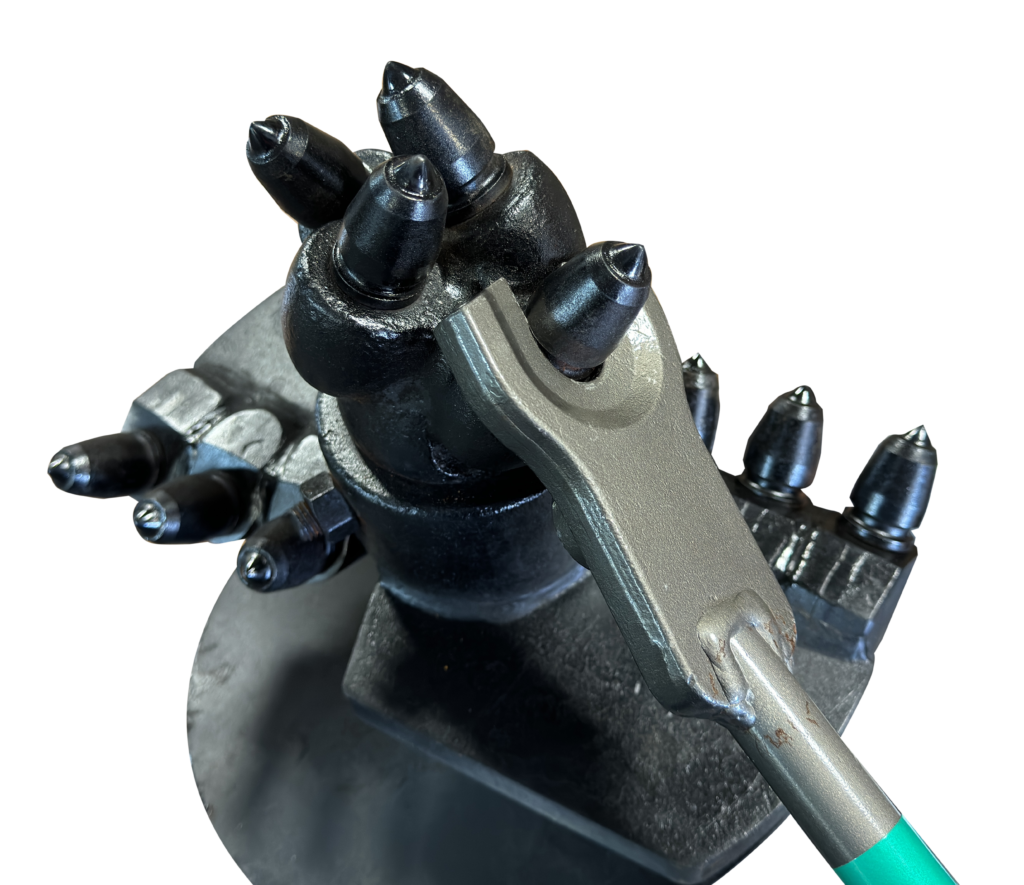
Many drilling projects stop because the rock is too hard. Many contractors lose time and money. I often see the real reason. The wrong rock auger bullet tooth is installed.
A rock auger bullet tooth each is a replaceable cutting tool used on drilling augers to break rock and hard soil. The right tooth depends on carbide quality, steel body strength, wear resistance, and compatibility with the auger holder.
I learned this lesson early in my export business. One Australian contractor told me he broke several cheap teeth in one week. The delay cost more than the price of the tools.
What Is a Rock Auger Bullet Tooth and How Does It Work?
Many buyers think the tooth is just a small part. But during drilling, this small tool takes the most pressure and wear.
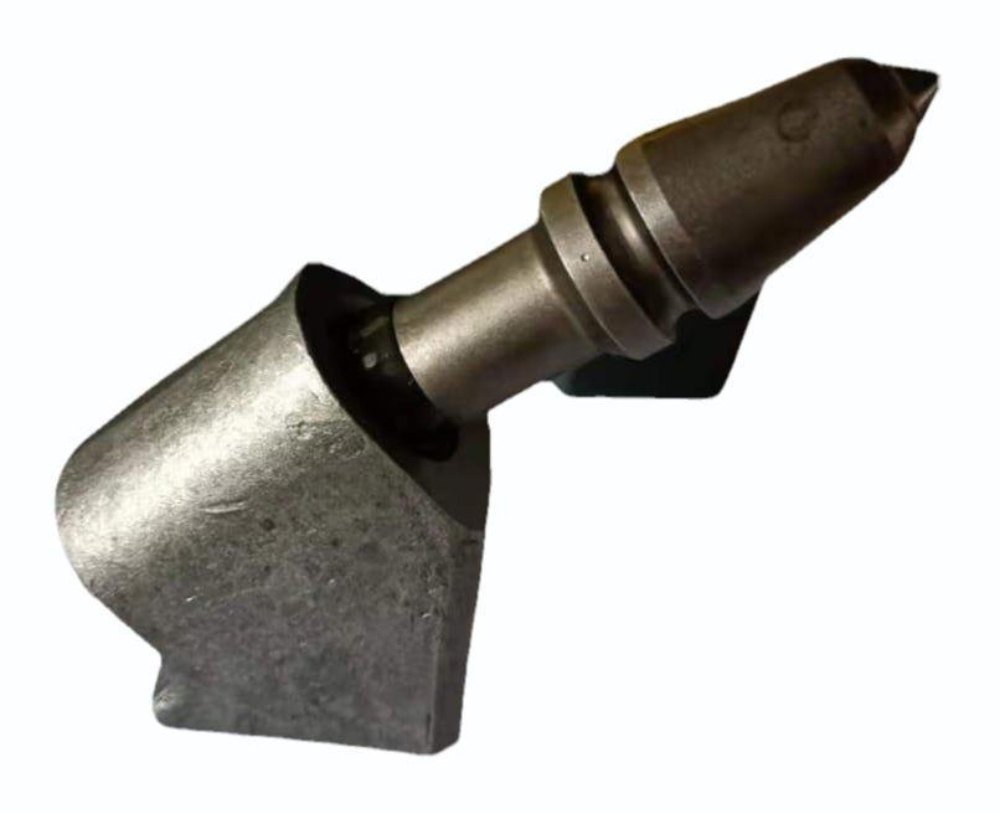
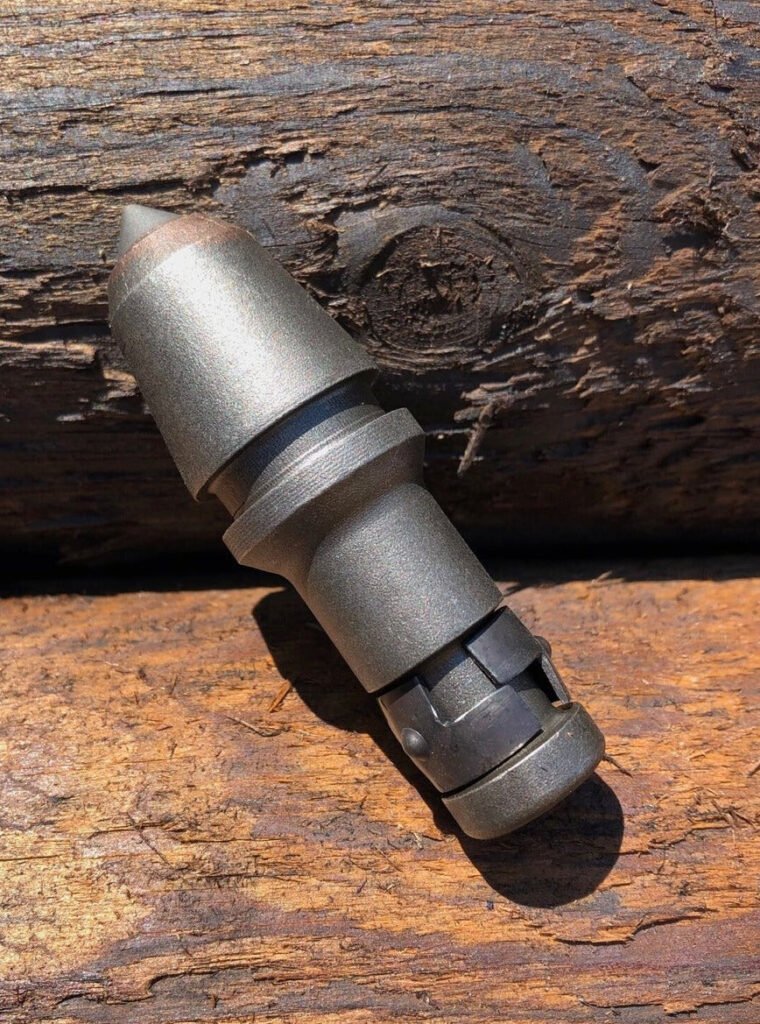
A rock auger bullet tooth is a conical cutting tool mounted on augers. The tungsten carbide tip cuts the rock surface while the steel body absorbs impact and transfers drilling force.
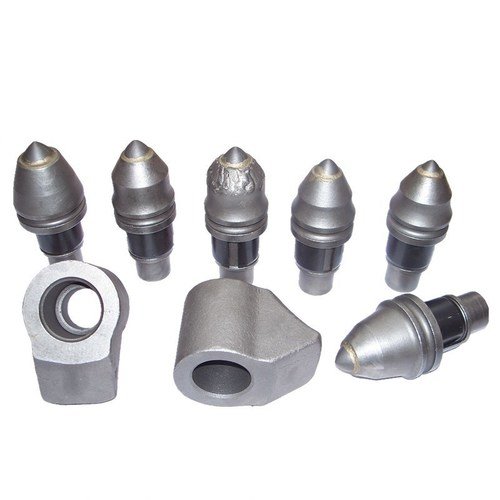
The Basic Structure of a Bullet Tooth
When I explain this product to new buyers, I usually describe three main parts.
| Component | Function | Material |
|---|---|---|
| Carbide Tip | Breaks and cuts rock | Tungsten carbide |
| Steel Body | Absorbs impact | Alloy steel |
| Locking Groove | Fixes tooth into holder | Hardened steel |
The carbide tip performs the cutting work. The steel body protects the tool. The groove keeps the tooth fixed in the holder during rotation.
How the Tooth Works in Drilling
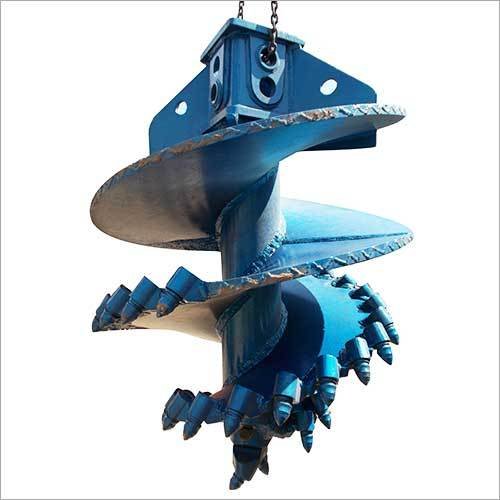
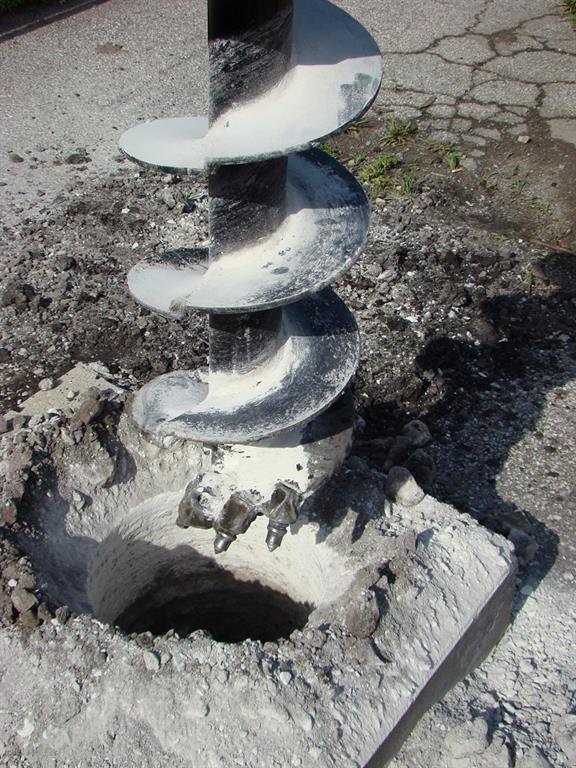
A drilling auger rotates at high speed. Each bullet tooth strikes rock repeatedly. The carbide tip crushes the rock surface. Then the auger removes the broken material.
I once visited a piling site in Southeast Asia. The operator showed me two teeth. One lasted two days. Another lasted two weeks. The difference came from carbide grade and heat treatment.
Why “Each Tooth” Cost Matters
Professional buyers often calculate cost per tooth.
| Metric | Meaning |
|---|---|
| Price per tooth | Purchase cost |
| Life per tooth | Drilling duration |
| Cost per drilled meter | Real project cost |
Experienced contractors focus on the final number.
What Materials Make a Durable Rock Auger Bullet Tooth?
When a bullet tooth fails early, the cause is often material quality.
Durable rock auger bullet teeth require high-grade tungsten carbide tips and forged alloy steel bodies with proper heat treatment. These materials provide strong wear resistance and impact durability.
Carbide Tip Quality
Carbide determines the cutting ability of the tooth.
| Carbide Property | Importance |
|---|---|
| Hardness | Improves abrasion resistance |
| Grain size | Influences wear life |
| Cobalt content | Improves toughness |
Very hard carbide cuts rock well. But overly brittle carbide can break. Balanced material works best.
Steel Body Strength
The steel body must absorb impact force.
I usually recommend forged alloy steel rather than casting.
| Steel Feature | Benefit |
|---|---|
| Forged structure | Higher density |
| Heat treatment | Better toughness |
| Wear protection | Longer service life |
Cheap teeth often fail because the steel body cracks.
Brazing Technology
The carbide tip must be welded securely to the steel body.
Weak brazing causes carbide tips to fall off during drilling.
One Indonesian contractor once showed me a tooth where the carbide fell out after two hours. The supplier used poor brazing materials.
How Do I Choose the Right Bullet Tooth for Different Rock Conditions?
Not every drilling site has the same ground conditions. Some rock is soft limestone. Some rock is extremely hard granite.
The right bullet tooth depends on rock hardness, drilling speed, and machine power. Hard rock requires stronger carbide and reinforced bodies, while softer soil allows more aggressive cutting designs.
Different Rock Types
| Rock Type | Hardness | Recommended Tooth |
|---|---|---|
| Clay | Soft | Standard tooth |
| Limestone | Medium | Reinforced carbide |
| Granite | Very hard | Heavy-duty rock tooth |
If the tooth is too weak, it wears quickly. If it is too strong for soft ground, drilling becomes inefficient.
Matching the Tooth with the Machine
Machine size also affects tooth selection.
| Machine Type | Typical Use |
|---|---|
| Small auger | Landscaping |
| Medium auger | Foundation drilling |
| Large piling rig | Hard rock drilling |
Larger machines create stronger impact forces. They need stronger bullet teeth.
Holder Compatibility
A bullet tooth must match the holder system.
Common shank sizes include:
- 20 mm
- 22 mm
- 25 mm
Some buyers overlook this detail. Then they discover the tooth cannot fit the holder.
Why Do Carbide Quality and Heat Treatment Matter So Much?
Many buyers focus only on price. But durability depends on material and production process.
Carbide quality and heat treatment directly affect the lifespan of rock auger bullet teeth. Strong carbide resists wear, while proper heat treatment prevents steel fracture during heavy drilling.
Heat Treatment Process
Heat treatment improves steel strength.
| Process | Purpose |
|---|---|
| Quenching | Increase hardness |
| Tempering | Improve toughness |
| Surface hardening | Reduce wear |
Without proper heat treatment, the steel body becomes brittle.
Cost Comparison Example
I often explain cost using a simple comparison.
| Tooth Type | Price | Average Life | Real Cost |
|---|---|---|---|
| Low-quality tooth | $8 | 1 day | High replacement cost |
| Quality tooth | $14 | 5 days | Lower total cost |
Many contractors understand this after their first project delay.
How Can Buyers Reduce Drilling Costs by Choosing Better Teeth?
Every contractor wants to reduce drilling cost per meter.
Buyers can reduce drilling costs by selecting high-quality bullet teeth, matching teeth to rock conditions, maintaining holders properly, and working with reliable manufacturers.
Key Questions Buyers Should Ask
When clients contact me, I usually ask these questions first.
| Question | Reason |
|---|---|
| What rock type is the project? | Determines carbide grade |
| What machine model is used? | Determines tooth size |
| What holder system is installed? | Ensures compatibility |
These details help avoid mistakes.
Working with Reliable Manufacturers
Reliable suppliers provide stable quality.
A good manufacturer offers:
- Consistent carbide material
- Stable heat treatment
- Quality inspection
- Technical support
This support becomes important for large drilling projects.
Conclusion
The right rock auger bullet tooth improves drilling efficiency, reduces replacement frequency, and lowers project cost. Quality materials and correct selection make the biggest difference